Faculty Fellowship Series
Why Rural Matters: Dr. Jesse Longhurst on the Power of Donor-Funded Research
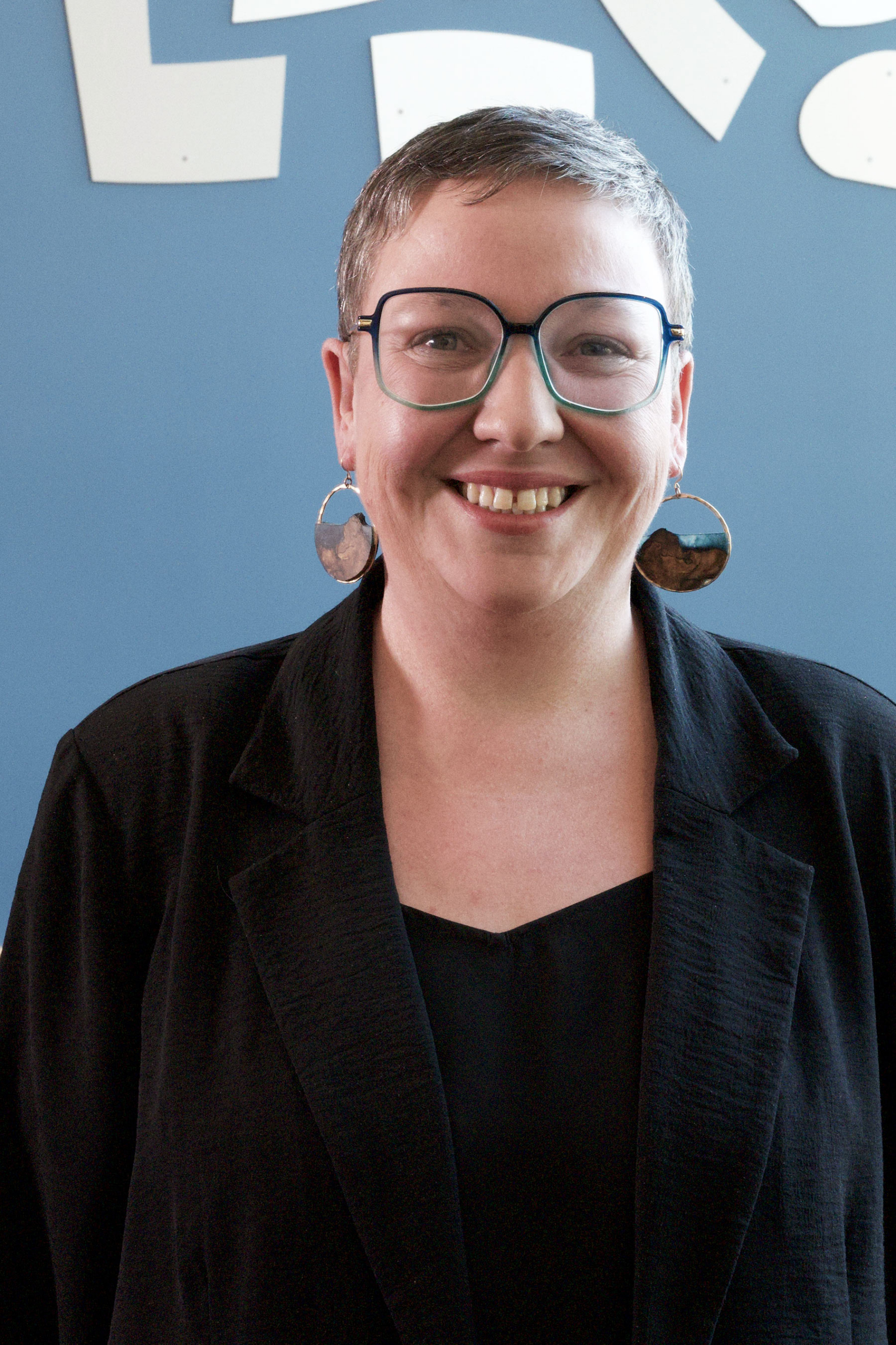
When Dr. Jesse Longhurst stepped into the role of Dean of the School of Education, she didn’t hesitate to sacrifice the final third of her sabbatical to do so. Feeling she was the best person positioned for the challenge, her transition is a demonstration of SOU’s passionate and committed faculty.
As a longtime educator and current Associate Professor of Education, Dr. Longhurst’s dedication to the university accentuates everything she does. While still holding the goal to reach full professor close to her heart, Dr. Longhurst has just finished the second year of her faculty fellowship, supported by an SOU Foundation philanthropic partner.
Dr. Longhurst has viewed the fellowship as a “sigh of relief” that could backfill the resources needed to keep her scholarship alive without tapping into the departmental budget. Her scholarship is centered on rural, remote, and island education, a field she chose because she grew up rurally in small schools and remains deeply interested in the vitality of rural communities.
“I’m just so enormously grateful…we are a small institution that is not research-heavy, but we still punch above our weight in terms of faculty expertise, so when we have philanthropy that recognizes the need to maintain and keep that expertise sharp with resources, I’m just so grateful for that.”
Her own primary research is a study of a school on Sark, a crown dependency in the English Channel with no cars and only 400 people. She has recently used fellowship funds for a final trip to Sark to check-in with the community, ensuring her research was accurate and to maintain the trust of the small population. Dr. Longhurst’s book explores the dynamics of education on Sark as well as perceptions of childhood on an island whose children all must leave home at age 11 to attend secondary school. She hopes to finish the book by 2028.
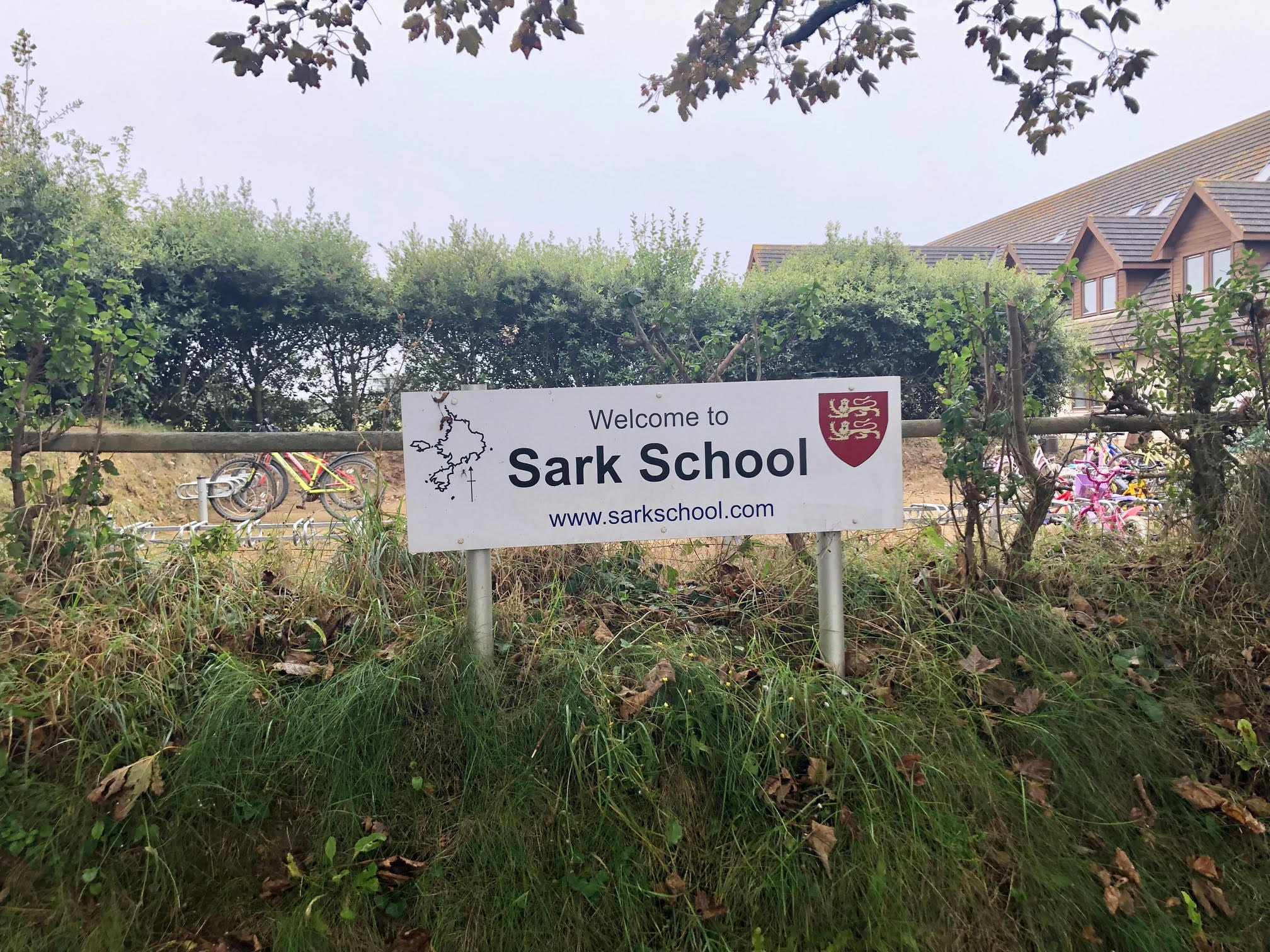
Sark School is on an island of 400 people and at the heart of Dr. Longhurst’s research on rural schools.
A core part of her research is how to define and conceptualize “rurality,” which often shifts between formal government statistics and personal perception. She notes the irony of various definitions—while she considers her life in Ashland urban because she has a city sewer, broadband internet, and a grocery store five minutes away, others might view Ashland as rural. She recalls a student who believed they weren’t rural simply because their town had a sidewalk. This distinction between urban and rural is vital because most of the educators who graduate from SOU will work in rural settings, and if higher education isn’t attending to the rural population, she believes it isn’t doing its job well.
Dr. Longhurst explores a fundamental tension in her field: is the role of a rural school to prepare students so they can leave the community, or is it to foster vibrant rural lives? She doesn’t think it is an either/or answer, but finds the question invigorating, nonetheless. She observes that rural schools have traditionally been good at emptying rural communities of young adults, a trend she questions. To study these dynamics, she looks toward island schools, where distance and resource constraints are magnified by the water. She points to a superintendent in the Puget Sound who manages schools on multiple islands, sometimes using his own boat to reach schools.
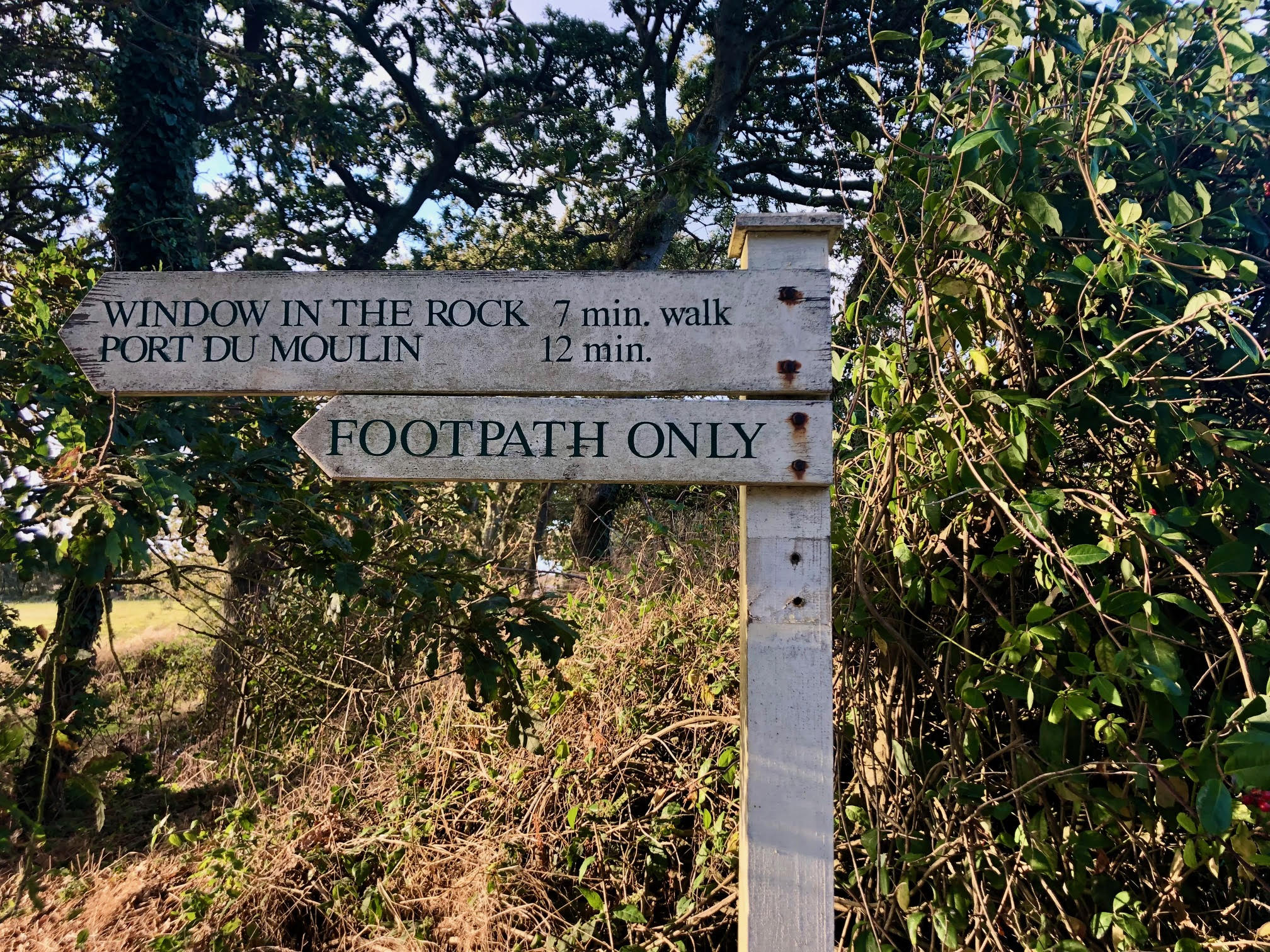
The island of Sark has no cars and is the focus of Dr. Longhurst’s forthcoming book.
For the past few years, Dr. Longhurst has worked to reanimate SOU’s 50-year relationship with the Pacific Circle Consortium (PCC), an international body connecting educators across the Pacific Rim, from the US and China to Australia and small island nations. She recently attended conferences in Samoa and Hawaii, using fellowship funds to support travel that allows her to bring global scholarship back to SOU. At the recent 50th-anniversary conference in Hawaii, she was joined by a contingent of 11 SOU-affiliated scholars and practitioners, including adjuncts and a retired dean who paid their own way to participate.
Closer to home, she plans to use the fellowship for outreach to districts like Klamath, Lakeview, and Tillamook. These rural districts rely on SOU’s distance-accessible teacher education programs that allow students to train and teach within their own communities, a model, Longhurst says, that rural communities desperately need.
Ultimately, Dr. Longhurst views the fellowship as a gift of time that provides breathing room for projects that otherwise lack funding. Longhurst emphasizes that continuing her scholarship while serving as Dean is what allows her to maintain her credibility.
“There’s a reason you get your PhD, right? You care about a thing. You care enough about it to spend years researching it, to become an expert on it, and you want to be able to continue that work, even in a teaching-heavy institution. We want our students and our community to think of us as experts.”
She continues, “The donor specifically, it’s not her world—she’s a scientist—but the fact that she recognized what a chunk of money could accomplish, even in a field outside her own, really matters.”
Want to advance faculty teaching and expertise? Support faculty fellowships here.